
Master the Umami: Techniques and Recipes for Depth of Flavor


Have you ever taken a bite of a dish and felt an indescribable depth of flavor that lingered on your taste buds? That sensation, often referred to as umami, is one of the five basic tastes and can transform ordinary meals into extraordinary culinary experiences. Mastering the art of umami can elevate your cooking to new heights.
Understanding Umami
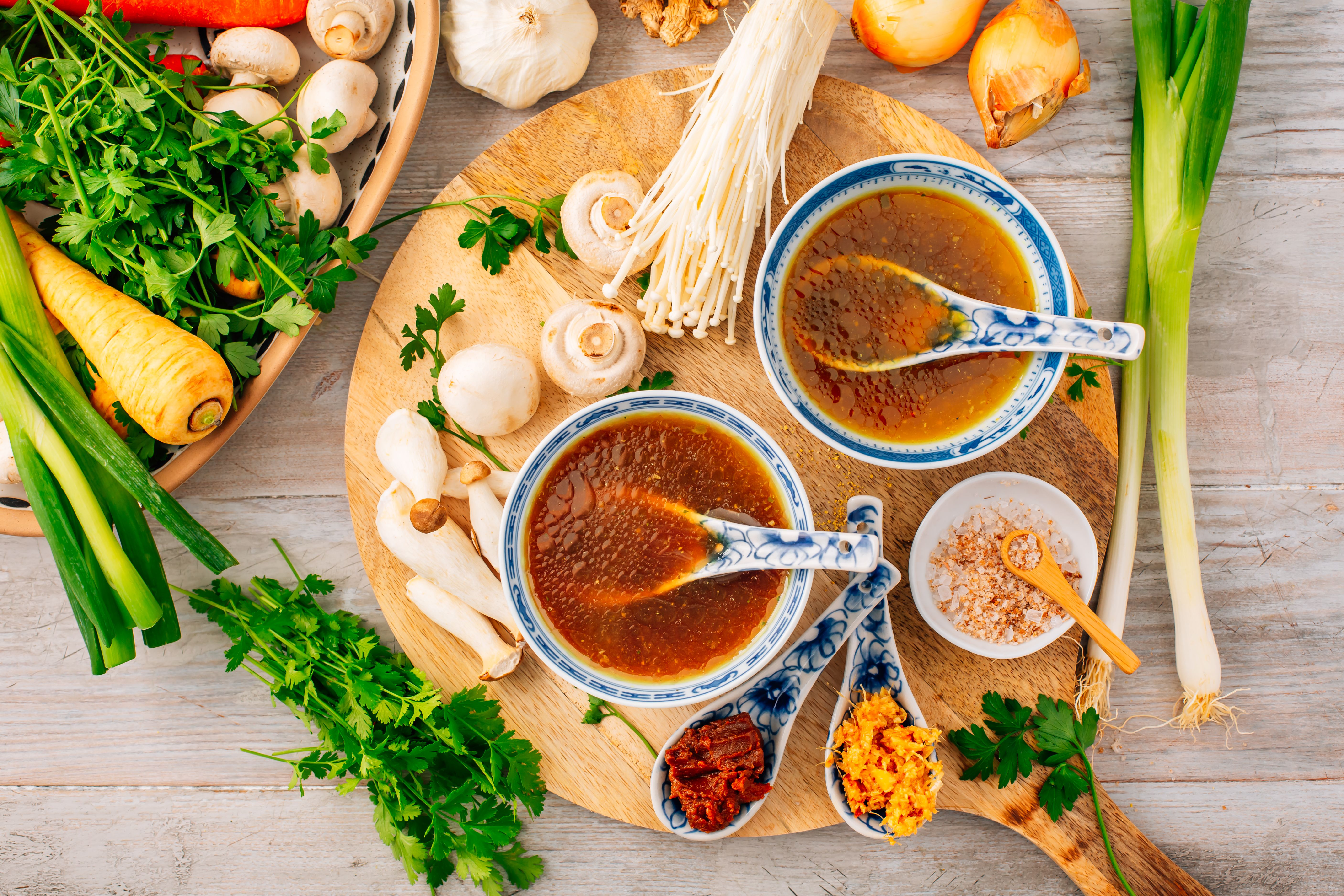
Umami, a term coined by Japanese scientists, translates to "pleasant savory taste." It is found in a variety of foods such as tomatoes, mushrooms, and aged cheeses. This taste results from the presence of glutamates, inosinate, and guanylate, which are natural compounds enhancing flavor.
To harness the power of umami in your cooking, it's essential to understand how these compounds interact with other ingredients. Combining them thoughtfully can create a symphony of flavors that delights the palate.
Techniques to Enhance Umami
One of the most effective ways to enhance umami is through the use of fermentation. Fermented foods like soy sauce, miso, and kimchi are rich in umami and can add layers of complexity to your dishes. Additionally, slow cooking methods such as braising or roasting can concentrate flavors and draw out the savory essence.

Another technique is to incorporate umami-rich ingredients strategically. For instance, adding a splash of fish sauce to a stew or a sprinkle of Parmesan cheese on pasta can intensify the overall taste without overpowering your dish.
Umami-Packed Recipes
Experimenting with umami can be both fun and rewarding. Here are a few recipes that showcase its potential:
- Roasted Tomato Soup: Use oven-roasted tomatoes and a touch of balsamic vinegar to create a rich, savory base.
- Miso-Glazed Salmon: A blend of miso paste, soy sauce, and ginger creates a delightful crust.
- Umami Burger: Incorporate mushrooms and caramelized onions for a burger that bursts with flavor.
Balancing Umami with Other Flavors
While umami is a star player in flavor profiles, it's crucial to balance it with the other basic tastes: sweet, sour, bitter, and salty. A well-rounded dish will offer a harmonious blend, ensuring that no single taste overpowers the others.
For example, when creating a sauce, consider adding a hint of sweetness or acidity to balance the savory notes. This approach guarantees a multifaceted flavor experience that keeps your taste buds engaged.
Conclusion
Mastering umami is an art that requires practice and experimentation. By understanding its properties and learning how to incorporate it effectively, you can transform everyday meals into culinary masterpieces. Whether you're a seasoned chef or a home cook, embracing umami will undoubtedly enrich your cooking adventures.