The Art of Fusion Cuisine: Blending Global Flavors


Understanding Fusion Cuisine
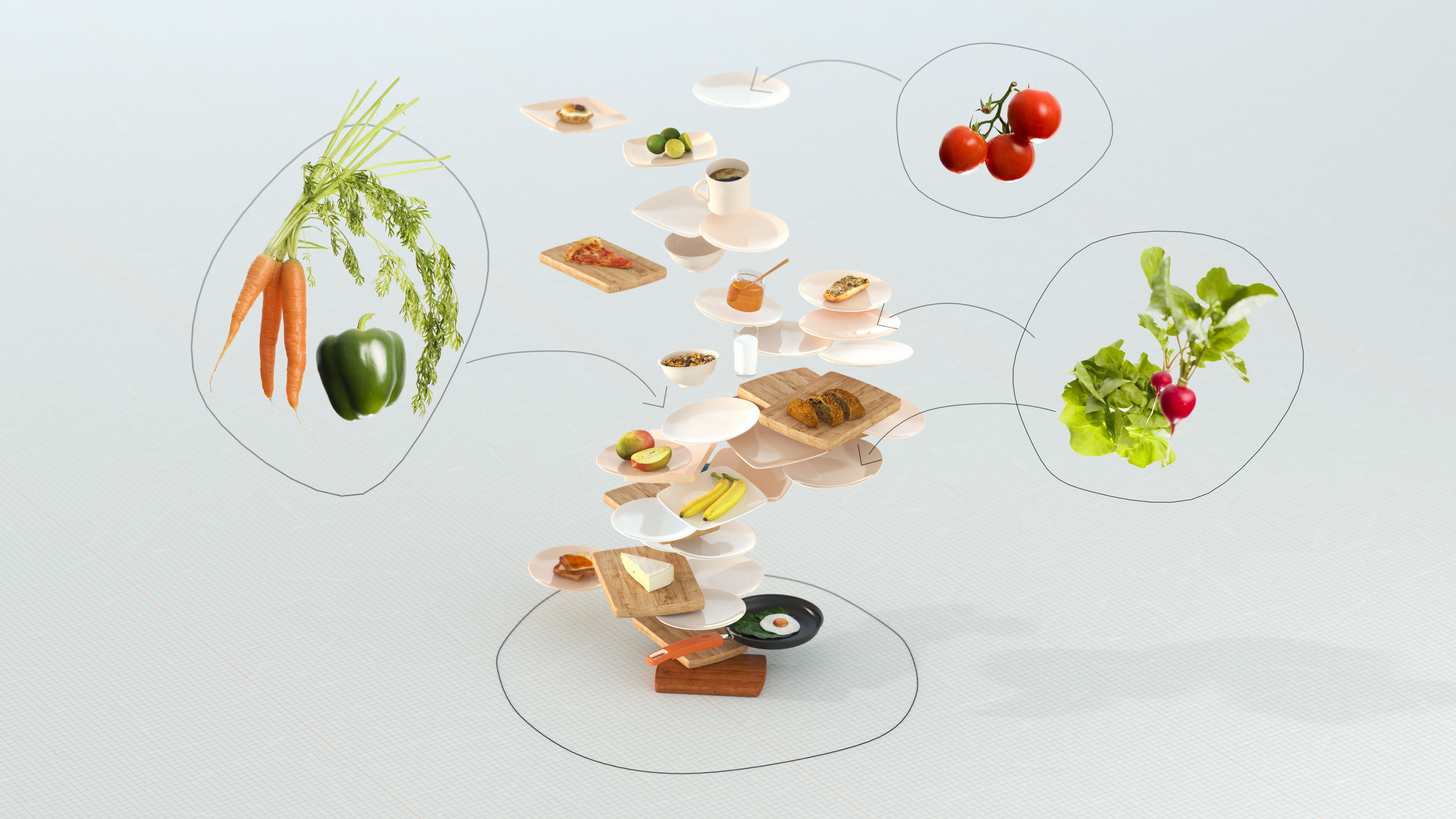
Fusion cuisine is a delightful culinary art that combines elements of different culinary traditions to create innovative and exciting dishes. By blending global flavors, chefs can craft unique experiences that tantalize the taste buds and broaden the gastronomic horizon. This approach is not just about mixing ingredients; it's about creating harmony and balance in every bite.
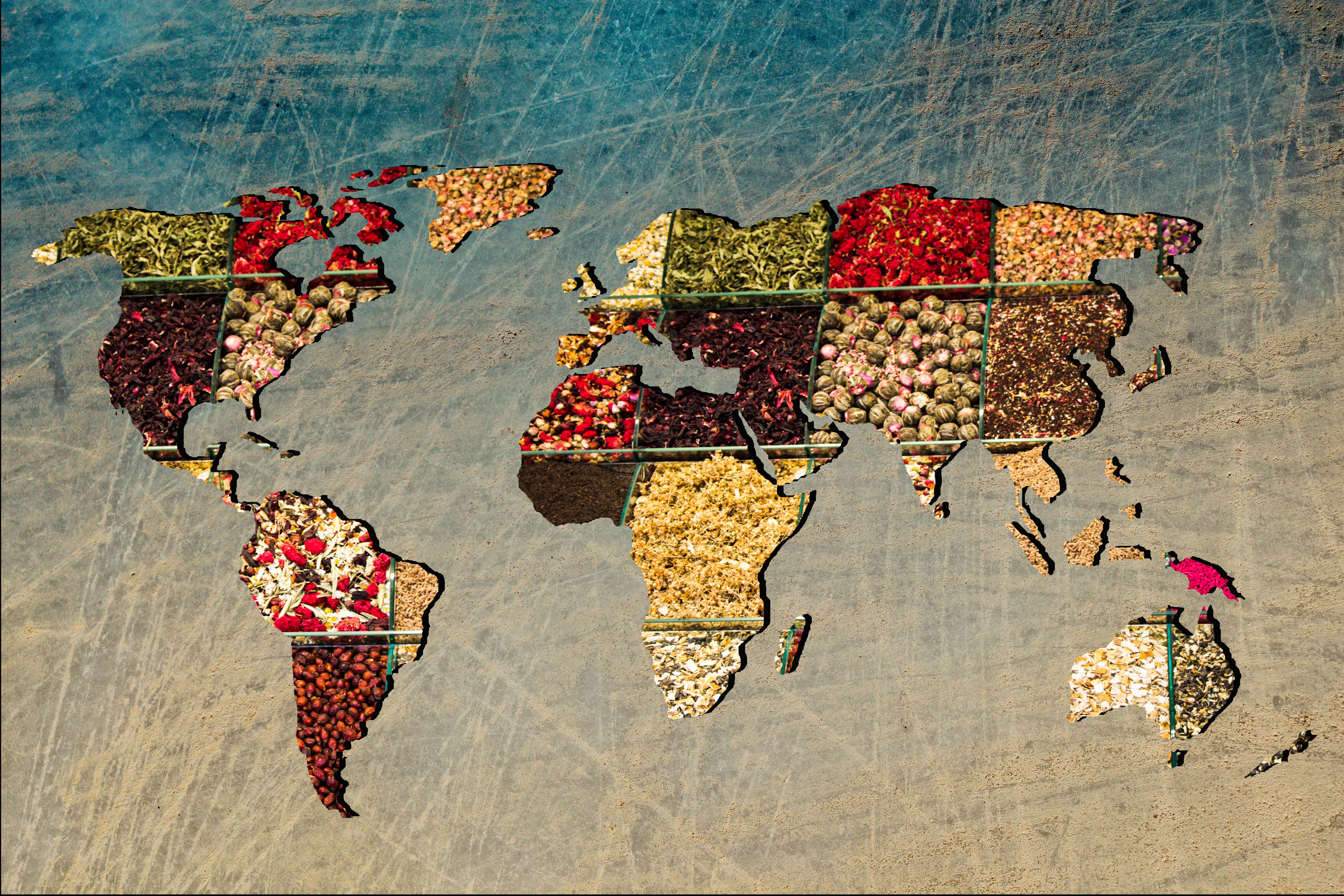
The essence of fusion cuisine lies in its creativity and experimentation. Chefs take inspiration from various cultures, combining techniques and ingredients that might seem unrelated at first glance. This process results in dishes that are both familiar and novel, offering a fresh perspective on traditional recipes.
The History Behind Fusion Cuisine
The concept of fusion cuisine isn't entirely new. Throughout history, culinary techniques and ingredients have traveled across borders, influenced by trade, migration, and exploration. The Silk Road, for instance, was instrumental in introducing spices from Asia to Europe, creating a melting pot of flavors.
In modern times, fusion cuisine gained popularity in the late 20th century, with chefs like Wolfgang Puck and Roy Yamaguchi pioneering the movement. They embraced the idea of blending Western and Eastern flavors, setting the stage for today's global culinary scene.

Key Principles of Fusion Cuisine
Creating successful fusion dishes requires a thoughtful approach. Here are some key principles to consider:
- Balance: Achieving harmony between diverse flavors is crucial. A dish should not be overpowered by any single element.
- Respect for Traditions: While innovation is important, it's essential to respect the origins and cultural significance of the ingredients used.
- Quality Ingredients: Using fresh and high-quality ingredients ensures that the flavors shine through.
Popular Fusion Cuisine Examples
Some popular examples of fusion cuisine include sushi burritos, Korean tacos, and Italian-Indian curry pasta. These dishes showcase how different culinary techniques and flavors can come together to create something extraordinary.

Another example is the blending of Mediterranean and Asian flavors, often resulting in dishes featuring ingredients like seaweed, sesame, and olive oil. This cross-cultural experimentation continues to inspire chefs around the world.
The Future of Fusion Cuisine
As global connectivity increases, the future of fusion cuisine looks promising. Chefs are more adventurous than ever, exploring new combinations and redefining traditional boundaries. This trend is likely to continue, with more emphasis on sustainability and locally sourced ingredients.
The art of fusion cuisine not only enriches our palates but also fosters a greater appreciation for cultural diversity. By embracing global flavors, we celebrate the beauty of culinary innovation and creativity.