
Understanding Umami: The Secret to Elevating Everyday Meals


Discovering the Fifth Taste
When we think of the basic tastes, sweet, salty, sour, and bitter often come to mind. However, there's a fifth taste that plays a crucial role in our culinary experiences: umami. This savory flavor is often described as meaty or brothy and can transform ordinary dishes into extraordinary ones.
Umami is derived from the Japanese word meaning "pleasant savory taste." It's caused by the presence of glutamates, which are compounds found naturally in many foods. Understanding and using umami can elevate your cooking to new heights.
The Science Behind Umami
Umami was identified over a century ago by Japanese scientist Kikunae Ikeda. He discovered that the amino acid glutamate was responsible for the savory taste in seaweed broth. This breakthrough led to the creation of monosodium glutamate (MSG), a common flavor enhancer.
Our taste receptors are uniquely designed to recognize umami, and it often signals protein-rich foods that are essential for our diet. This taste triggers a deep, satisfying flavor that enhances the overall taste experience.
Foods Rich in Umami
You don't need to add MSG to your dishes to enjoy umami. Many natural ingredients are rich in this savory flavor, including:
- Tomatoes
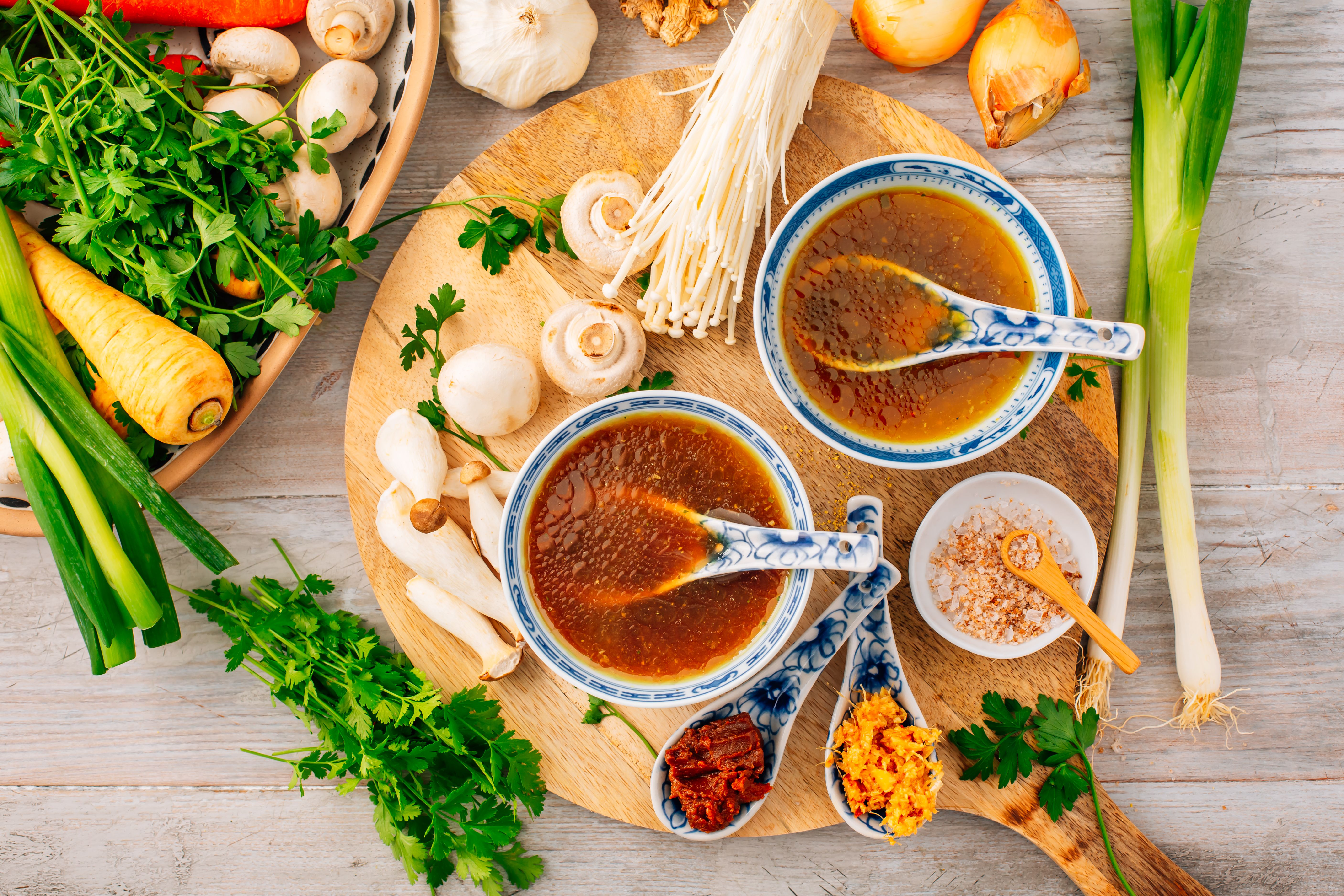
- Mushrooms
- Parmesan cheese
- Soy sauce
- Seafood

Incorporating Umami into Your Cooking
Adding umami to your meals can be simple and rewarding. Start by identifying ingredients that naturally contain this taste and experiment with them in your recipes. For instance, a sprinkle of Parmesan can enhance a pasta dish, while a dash of soy sauce can add depth to a stir-fry.
Cooking techniques such as roasting, grilling, and fermenting can also intensify umami flavors. These methods break down proteins and release glutamates, enriching the taste of your dishes.

Benefits of Umami
Beyond taste, umami offers several benefits. It can enhance the flavor of low-sodium recipes, making them more appealing without the need for extra salt. Additionally, the richness of umami may lead to greater satiety, helping you feel fuller for longer.
Embracing umami in your cooking can lead to more satisfying meals, encouraging healthier eating habits and reducing the reliance on artificial flavor enhancers.
Experimenting with Umami
Ready to explore the world of umami? Start by experimenting with different combinations of umami-rich ingredients. Try adding a touch of miso paste to your soup or incorporating sun-dried tomatoes into your sauces. The possibilities are endless, and the journey is as delicious as the destination.
Understanding umami is a gateway to a more flavorful and diverse culinary experience. By incorporating this savory taste into your cooking, you can elevate everyday meals into something truly special.